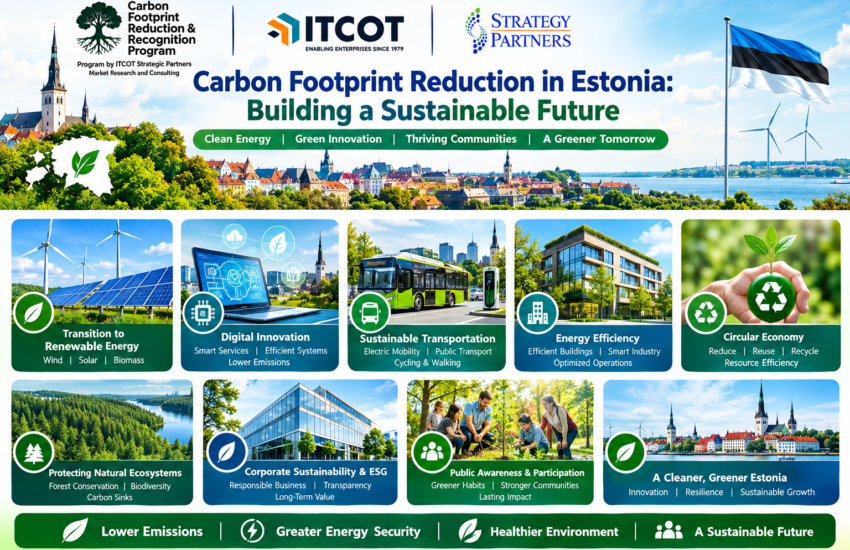
Estonia has emerged as a forward-looking nation in its approach to sustainability and environmental responsibility. Known for its digital innovation and strong commitment to modernization, the country has also embraced the challenge of reducing its carbon footprint while maintaining economic growth and social development. Through a combination of clean energy initiatives, technological innovation, sustainable transportation, circular economy practices, and environmental awareness, Estonia is steadily progressing toward a low-carbon future.
Estonia’s Commitment to Climate Action
Climate change has become one of the most significant global challenges, and Estonia recognizes the importance of taking proactive measures to reduce greenhouse gas emissions. The country has integrated sustainability into national development strategies, focusing on balancing economic advancement with environmental protection.
Estonia’s climate policies emphasize energy efficiency, renewable energy adoption, conservation of natural resources, and the promotion of sustainable lifestyles. By aligning environmental goals with technological progress, the country is creating opportunities for businesses, communities, and individuals to contribute to carbon footprint reduction.
Transition Toward Cleaner Energy
Energy production plays a major role in carbon emissions worldwide. Estonia has traditionally relied on carbon-intensive energy sources, but in recent years the country has accelerated efforts to diversify its energy mix and expand cleaner alternatives.
Renewable energy sources such as wind, solar, and biomass are becoming increasingly important in Estonia’s energy landscape. Investments in renewable energy projects are helping reduce dependence on fossil fuels while enhancing energy security. Wind energy, in particular, has gained attention as a key component of the country’s transition toward sustainable power generation.
Solar energy installations are also becoming more common across residential, commercial, and industrial sectors. Businesses and homeowners are recognizing the environmental and economic benefits of generating clean electricity, contributing to the reduction of overall emissions.
Digital Innovation Supporting Sustainability
One of Estonia’s greatest strengths is its reputation as a digital society. The country’s advanced digital infrastructure provides unique opportunities to support environmental goals and reduce carbon emissions.
Digital government services reduce the need for paper-based processes, physical travel, and resource-intensive administrative activities. Citizens can access many services online, minimizing transportation-related emissions and improving efficiency.
Businesses are also leveraging digital technologies to optimize operations, improve energy management, and reduce waste. Smart systems help organizations monitor energy consumption, identify inefficiencies, and implement sustainability improvements. These innovations demonstrate how digital transformation can play an important role in carbon footprint reduction.
Sustainable Transportation and Mobility
Transportation is a significant source of emissions in many countries, making sustainable mobility a key focus area for Estonia. The nation is encouraging the adoption of cleaner transportation solutions that reduce reliance on traditional fossil-fuel-powered vehicles.
Electric mobility is gaining momentum as charging infrastructure expands and public awareness increases. Electric vehicles offer a practical way to reduce emissions from road transportation while supporting broader environmental objectives.
Public transportation systems are also being improved to provide efficient and environmentally friendly travel options. Encouraging people to use public transport helps reduce traffic congestion, fuel consumption, and carbon emissions.
Cycling and walking are promoted as sustainable alternatives for short-distance travel. Investments in pedestrian-friendly infrastructure and cycling networks contribute to healthier communities while lowering transportation-related environmental impacts.
Energy Efficiency Across Industries
Improving energy efficiency is one of the most effective ways to reduce carbon emissions. Estonia has placed significant emphasis on helping industries, businesses, and public institutions optimize energy use.
Manufacturing facilities are adopting modern equipment and energy-efficient technologies to minimize waste and reduce energy consumption. Many organizations are implementing sustainability strategies that focus on resource optimization and operational efficiency.
Energy management systems allow businesses to track consumption patterns and identify opportunities for improvement. These initiatives not only reduce environmental impacts but also enhance competitiveness by lowering operating costs.
Industrial modernization demonstrates that environmental responsibility and economic success can work together, creating long-term benefits for businesses and society.
Green Buildings and Sustainable Construction
The construction sector plays a critical role in carbon footprint reduction. Estonia is encouraging sustainable building practices that improve energy performance and reduce environmental impacts throughout a building’s life cycle.
Modern green buildings incorporate efficient insulation, renewable energy integration, smart energy systems, and environmentally responsible materials. These features help lower energy demand and reduce emissions associated with heating, cooling, and electricity use.
Building renovation programs are also contributing to sustainability goals. Upgrading older structures with energy-efficient technologies improves comfort while reducing overall energy consumption. Such initiatives support both environmental and economic objectives by creating healthier and more efficient living and working spaces.
Circular Economy and Waste Management
The transition to a circular economy is an important part of Estonia’s sustainability journey. Rather than following a traditional model of producing, consuming, and disposing, circular economy principles focus on keeping resources in use for as long as possible.
Recycling, reuse, and waste reduction initiatives are helping minimize environmental impacts while conserving valuable materials. Businesses are increasingly exploring innovative ways to design products with sustainability in mind, reducing waste generation and encouraging resource efficiency.
Consumers are also becoming more aware of responsible consumption practices. Choosing reusable products, reducing unnecessary purchases, and participating in recycling programs contribute to lower carbon footprints at both individual and community levels.
The development of effective waste management systems further supports environmental goals by reducing landfill use and encouraging resource recovery.
Protecting Forests and Natural Ecosystems
Estonia is known for its rich natural landscapes, including extensive forests, wetlands, and biodiversity-rich ecosystems. These natural assets play an essential role in carbon sequestration, helping absorb carbon dioxide from the atmosphere.
Forest conservation and sustainable forest management are important components of the country’s environmental strategy. Responsible forestry practices help maintain ecological balance while ensuring that forests continue to function as valuable carbon sinks.
Wetland restoration and habitat protection efforts also contribute to climate mitigation and biodiversity conservation. Healthy ecosystems provide environmental benefits that extend beyond carbon reduction, supporting water quality, wildlife, and overall ecological resilience.
Corporate Sustainability and ESG Initiatives
Businesses across Estonia are increasingly integrating sustainability into their operations and long-term strategies. Environmental, Social, and Governance principles are becoming important drivers of corporate decision-making.
Companies are setting sustainability targets, improving resource efficiency, adopting renewable energy solutions, and enhancing transparency in environmental reporting. These actions help organizations manage climate-related risks while meeting stakeholder expectations.
Innovation and collaboration are central to corporate sustainability efforts. Partnerships among businesses, government agencies, research institutions, and local communities are creating opportunities to accelerate carbon footprint reduction across multiple sectors.
As sustainability becomes a competitive advantage, more organizations are recognizing the value of investing in environmentally responsible practices.
Public Awareness and Community Participation
Meaningful climate action requires the involvement of society as a whole. Estonia has made significant progress in raising awareness about environmental issues and encouraging community participation in sustainability initiatives.
Educational programs, environmental campaigns, and local projects help citizens understand the importance of reducing carbon emissions and protecting natural resources. Individuals are increasingly adopting sustainable habits such as conserving energy, reducing waste, choosing eco-friendly products, and supporting renewable energy solutions.
Community engagement strengthens the effectiveness of national climate strategies by ensuring that environmental responsibility becomes part of everyday life. Collective action at the local level can generate substantial positive impacts over time.
Looking Ahead
Estonia’s journey toward carbon footprint reduction reflects a strong commitment to innovation, sustainability, and environmental stewardship. By embracing renewable energy, promoting energy efficiency, supporting sustainable transportation, advancing circular economy principles, and protecting natural ecosystems, the country is building a resilient and low-carbon future.
The combination of digital innovation and environmental responsibility positions Estonia as an example of how modern societies can address climate challenges while maintaining economic progress. Continued collaboration among government institutions, businesses, and citizens will be essential in achieving long-term sustainability goals.
As global efforts to combat climate change continue to evolve, Estonia’s focus on clean technologies, responsible resource management, and sustainable development demonstrates that meaningful carbon footprint reduction is possible through strategic planning, innovation, and collective commitment. The country’s ongoing transformation serves as a positive example of how environmental responsibility can create lasting benefits for both present and future generations.